
You are using an out of date browser. It may not display this or other websites correctly.
You should upgrade or use an alternative browser.
You should upgrade or use an alternative browser.
Lana Del Rey - Chemtrails Over The Country Club
- Thread starter octophone
- Start date
More options
Who Replied?
POP!
Dress you up
- Joined
- Nov 27, 2007
- Messages
- 50,703
10 hope is a dangerous thing for a gentle woman like me to have - but i have it.


Iguana
Like beautiful robots dancing alone
An' I oop-

joanne
- Joined
- May 28, 2020
- Messages
- 1,249


Dark Carnival
Serving cunt
- Joined
- Feb 3, 2004
- Messages
- 82,796
?
Iguana
Like beautiful robots dancing alone


Dark Carnival
Serving cunt
- Joined
- Feb 3, 2004
- Messages
- 82,796
Great haircuts, beautiful haircuts
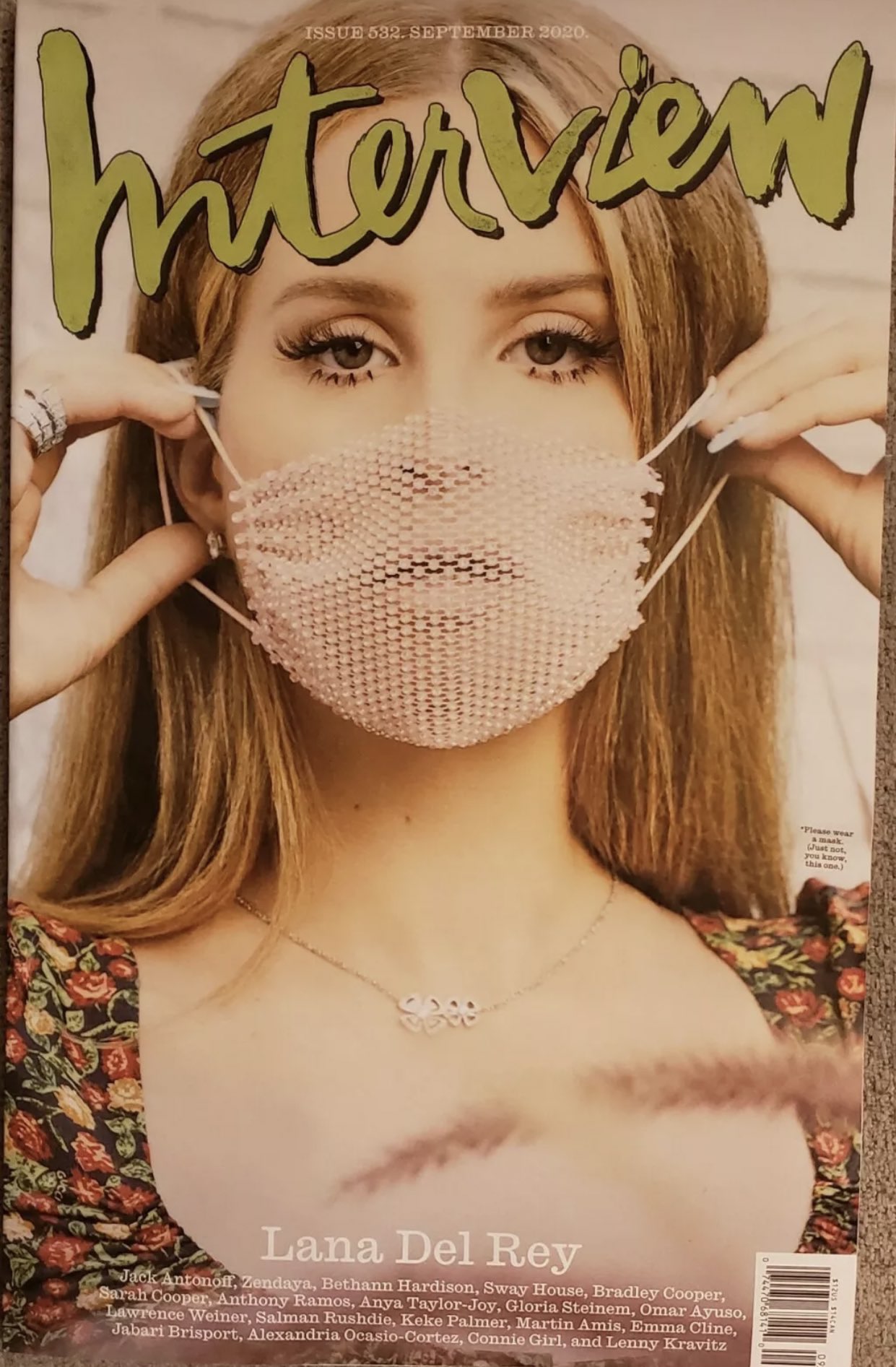
Iguana
Like beautiful robots dancing alone
joanne
- Joined
- May 28, 2020
- Messages
- 1,249
GODDAM, man child..
you FUCKED ME SO GOOD I almost said i love you...
what a fucking Goddess.
let's take a moment to appreciate this moment when The Music Industry stanned Lana.
without LDR, there wouldn't be cardigan or Wildest Dreams. they are LDR songs, and some of Taylor's best.
you FUCKED ME SO GOOD I almost said i love you...
what a fucking Goddess.
let's take a moment to appreciate this moment when The Music Industry stanned Lana.
without LDR, there wouldn't be cardigan or Wildest Dreams. they are LDR songs, and some of Taylor's best.

HeLikedTurner
User

Pipo
LOVE SENSATION y'knowhattamean
where are the fucking songs ELIZABETH?

Iguana
Like beautiful robots dancing alone
Well, that mask is no use at all.
12:12...is she releasing something on 12th December then? Weird release date but then it's all a bit weird right now...
She posted that at 12:12... I think there's not much more to read in other than that she was bored and had nothing to say


octophone
Cows!
- Pronouns
- she/her
- Joined
- Feb 3, 2004
- Messages
- 65,864
She posted that at 12:12... I think there's not much more to read in other than that she was bored and had nothing to say
So, is she going to completely freak on Wednesday morning when it's 09:09 on 9/9? TOO MUCH WEED.
POP!
Dress you up
- Joined
- Nov 27, 2007
- Messages
- 50,703
Article and interview from Interview:
Lana Del Rey is Elizabeth Grant, the New York City-born musician who got her start playing Brooklyn’s underground club circuit. She is the scrappy singer who uploaded two homemade videos to the internet, only to watch her career explode in the aftermath. She is the self-described underdog, an oft-misunderstood purveyor of glamorous and traffic Americana, apocalypse and utopia, breathless romance and devastating isolation – often crashing into one another. She is the pop star who hasn’t had – or needed, really – her own top-40 hit since 2014, operating as she does on the outskirts of the mainstream. She is the outspoken lightning rod, who, whether or not you agree with the things she says, says them anyway. And she is, above all else, the songwriter who last year released‘Norman Fucking Rockwell!’, her most clear-eyed artistic statement to date.
At 35, Del Rey has tapped a new creativevein. Just one year after her last studio release, she has come out with a new poetry collection, ‘Violet Bent Backwards Over the Grass’, and her sixth album, ‘Chemtrails Over the Country Club’, is out this month. All of it has been in collaboration with the tireless super-producer JACK ANTONOFF, who, as evidenced in the following conversation, knows exactly who Lana Del Rey is.
Jack Antonoff: Where are you?
Lana Del Rey: I’m on the I-40 with 8 hours and 50 minutes left to get back to L.A. It’s been a long drive back fromOklahoma.
Antonoff: I’m in New York and I’m going to work on music. Your music, actually. We have to finish this album.
Del Rey: We’re incredibly close.
Antonoff: Don’t you feel like this album kind of demandedto be made? It happened so quickly after ‘Norman’.
Del Rey: I was thinking about how different it’s been making this one because of how much I’ve been distracted by poetry this year. Just when you think you know what you’re doing, something else pops up.
Antonoff: Does writing poetry remind you of when you were younger and you said, “Okay, I’m a signer, I’m a songwriter”? Is it at all like reliving that first time when you took a stand and actually did the thing?
Del Rey: Totally, but it’s also different, because the poems come to me fully formed. Having to stop and channel a 12-minute poem with its rhymes in-tact, it’s like, “Huh, okay, Idon’t know if it’s good.”
Antonoff: When you would send me them, they would always stop me dead in my tracks. Maybe I’d get one andbe on a plane, or in a car, or walking down the street. It was like getting a dispatch from another universe.
Del Rey: It kind of felt that way writing them.
Antonoff: Do you feel like there was a looseness to making ‘Chemtrails Over the Country Club’?
Del Rey: Not really. I’ve been really stressed about this album. From the top, we knew what ‘Norman’ was. But with ‘Chemtrails’, it was like, “Is this new folk? Oh, god, are we going country?” Now that it’s done, I feel really good about it, and I think a defining moment for this album will be “White Dress/Waitress.”
Antonoff: What’s the story behind that song?
Del Rey: We did that early on, and it started with you just playing the piano. We were at Jim Henson’s studio.
Antonoff: Being watched over by a giant Kermit.
Del Rey: Oh my god, I know. I loved that. What I like about that song is that for all of its weirdness, when you get to the end of it, you understand exactly what it’s about. I hate when I hear a song that has a great melody, but I have no idea what they’re talking about. In the grunge movement, a lot of the lyrics were super abstract, but the melodies and the tonality were such a vibe that you felt like you knew exactly what the singer was thinking. Nowadays, you get a beautiful melody but you don’t really know what the personis talking about, or if it’s even important to them.
Antonoff: I feel like you’re on this very long path tobreaking down everything until it’s at its most authentic. ‘Chemtrails’ feels like another breakdown on top of ‘Norman’, but what’s interesting is that it breaks down into different directions.
Del Rey: The one thing that makes me upset is that f I hadn’t been so distracted with my personal life and my poetry, I could’ve broken it down in a more delicate, precise way. I guess the way I could’ve done that is just by adding one more defining song to it. Right now it’s really, really good, but I don’t know if it’s perfect, and that really bothers me. I think I need to add that song, ‘Dealer’, where I’m just screaming my head off. People don’t know what it sounds like when I yell. And I do yell.
Lana Del Rey is Elizabeth Grant, the New York City-born musician who got her start playing Brooklyn’s underground club circuit. She is the scrappy singer who uploaded two homemade videos to the internet, only to watch her career explode in the aftermath. She is the self-described underdog, an oft-misunderstood purveyor of glamorous and traffic Americana, apocalypse and utopia, breathless romance and devastating isolation – often crashing into one another. She is the pop star who hasn’t had – or needed, really – her own top-40 hit since 2014, operating as she does on the outskirts of the mainstream. She is the outspoken lightning rod, who, whether or not you agree with the things she says, says them anyway. And she is, above all else, the songwriter who last year released‘Norman Fucking Rockwell!’, her most clear-eyed artistic statement to date.
At 35, Del Rey has tapped a new creativevein. Just one year after her last studio release, she has come out with a new poetry collection, ‘Violet Bent Backwards Over the Grass’, and her sixth album, ‘Chemtrails Over the Country Club’, is out this month. All of it has been in collaboration with the tireless super-producer JACK ANTONOFF, who, as evidenced in the following conversation, knows exactly who Lana Del Rey is.
Jack Antonoff: Where are you?
Lana Del Rey: I’m on the I-40 with 8 hours and 50 minutes left to get back to L.A. It’s been a long drive back fromOklahoma.
Antonoff: I’m in New York and I’m going to work on music. Your music, actually. We have to finish this album.
Del Rey: We’re incredibly close.
Antonoff: Don’t you feel like this album kind of demandedto be made? It happened so quickly after ‘Norman’.
Del Rey: I was thinking about how different it’s been making this one because of how much I’ve been distracted by poetry this year. Just when you think you know what you’re doing, something else pops up.
Antonoff: Does writing poetry remind you of when you were younger and you said, “Okay, I’m a signer, I’m a songwriter”? Is it at all like reliving that first time when you took a stand and actually did the thing?
Del Rey: Totally, but it’s also different, because the poems come to me fully formed. Having to stop and channel a 12-minute poem with its rhymes in-tact, it’s like, “Huh, okay, Idon’t know if it’s good.”
Antonoff: When you would send me them, they would always stop me dead in my tracks. Maybe I’d get one andbe on a plane, or in a car, or walking down the street. It was like getting a dispatch from another universe.
Del Rey: It kind of felt that way writing them.
Antonoff: Do you feel like there was a looseness to making ‘Chemtrails Over the Country Club’?
Del Rey: Not really. I’ve been really stressed about this album. From the top, we knew what ‘Norman’ was. But with ‘Chemtrails’, it was like, “Is this new folk? Oh, god, are we going country?” Now that it’s done, I feel really good about it, and I think a defining moment for this album will be “White Dress/Waitress.”
Antonoff: What’s the story behind that song?
Del Rey: We did that early on, and it started with you just playing the piano. We were at Jim Henson’s studio.
Antonoff: Being watched over by a giant Kermit.
Del Rey: Oh my god, I know. I loved that. What I like about that song is that for all of its weirdness, when you get to the end of it, you understand exactly what it’s about. I hate when I hear a song that has a great melody, but I have no idea what they’re talking about. In the grunge movement, a lot of the lyrics were super abstract, but the melodies and the tonality were such a vibe that you felt like you knew exactly what the singer was thinking. Nowadays, you get a beautiful melody but you don’t really know what the personis talking about, or if it’s even important to them.
Antonoff: I feel like you’re on this very long path tobreaking down everything until it’s at its most authentic. ‘Chemtrails’ feels like another breakdown on top of ‘Norman’, but what’s interesting is that it breaks down into different directions.
Del Rey: The one thing that makes me upset is that f I hadn’t been so distracted with my personal life and my poetry, I could’ve broken it down in a more delicate, precise way. I guess the way I could’ve done that is just by adding one more defining song to it. Right now it’s really, really good, but I don’t know if it’s perfect, and that really bothers me. I think I need to add that song, ‘Dealer’, where I’m just screaming my head off. People don’t know what it sounds like when I yell. And I do yell.
POP!
Dress you up
- Joined
- Nov 27, 2007
- Messages
- 50,703
Antonoff: Will you talk about Joan Baez and your feelings about her?
Del Rey: On the last tour, we went to Berkeley and I really wanted to do ‘Diamonds and Rust’ with Joan, and she was kind enough to accommodate me. Nobody necessarily wants to show up to do a giant show for 15,000 kids at Berkeley, but she told me that if I’d drive out 80 miles from Berkeley, then we could practice at her kitchen table, and if it was good, she would do it. So that’s what I did. She corrected me on all my harmonies, and by the end, it was great. Then we went out clubbing to this Afro-Caribbean two-step place and danced all night. She fucking outlasted me.
Antonoff: On that last tour, you really put an emphasis on building a community. Artists are so isolated. People don’t realize that most of us don’t know each other. I love that you call people and say, “Hey, I’m going to be in your town. Do you want to come sing with me or have coffee?”
Del Rey: You’re so funny, the way you always hit things spot-on.
Antonoff: Don’t you feel that way? Like there’s animaginary club, but it’s not real and you almost feel sad because you wish it was?
Del Rey: That’s especially true when you’re an alternative artist, and you’re not collabbing or making nightclubappearances. You’re either in your room or you’re with your producer. The best thing I ever did was tour the Midwest. I got to know Weyes Blood and Hamilton Leithauser.Devendra Banhart was texting me. I found my heart and I was super happy there. I’m driving back from there now and I didn’t want to leave.
Antonoff: Do you feel like you’re ever going to leave L.A.?
Del Rey: I guess I can’t because I have all the animals and I have my family. I don’t know if I’ll do this drive again in a hot minute. The fact that you can be in Kansas in two hours by plane is amazing.
Antonoff: With ‘Violet Bent Backwards Over the Grass’, I feel like you’re mourning a piece of L.A., sometimes literally, sometimes in feeling and tone. Then, couples with ‘Chemtrails’, it’s like you’re starting to talk about all these new places and slowly planting little flags and creating little emotional homes in other parts of America. Obviously I’m here for it, but it does make me wonder if we’re going to be making records is Tucson or Tulsa next year.
Del Rey: It’s funny, the record was Midwestern-sounding before I even went to the Midwest. What’s interesting about having a true muse – and it sounds kind of ridiculous – is that you’re at the whim of it. When I’m singing about Arkansas, even I’m wondering why. The one way I woulddescribe the Midwest, Oklahoma in particular, is that it’s not cooked or oversaturated, and there’s still space to catch that white lightning.
Antonoff: That’s why I love Jersey so much. It gives you space to get bored out of your mind, and if you let yourself get bored, you might just think of something great.
Del Rey: One hundred percent.
Antonoff: Before I met you, I thought you’d be the opposite of what you are. I’m trying to think of the best way todescribe it.
Del Rey: You were probably surprised that I actually write. I guess that’s how I would describe it: I really write. Poems and music. Sometimes I miss the mark, but I know what I’m going for. That’s why I really like hip-hop.
Antonoff: I remember you listening to some of the hardest stuff in the room. I think the best part of really feeling something that someone else does is that it inspires you not to mimic them, but to do you. With ‘Chemtrails’, do you feel like you’re revisiting the past?
Del Rey: Not so much where I’ve been, but more like where I’m going. It makes me anxious listening to it, because I know it’s going to be a hard road to get to where I want to be, to do what I want to do. A lot of that’s going to involve writing classes and being uncomfortable in new places with not many friends and raising my dogs and my cats and my chickens alone. It’s going to be work. I hear ‘Chemtrails’ and I think “work,” but I also think of my stunning girlfriends, who so much of the album is about, and my beautiful siblings. ‘Chemtrails’ is the title track because it mentions them all and it mentions wanting so much to be normal and realizing that when you have an overactive, eccentric mind, a record like ‘Chemtrails’ is just what you’re going to get.
Antonoff: So many people bring a confidence to the table that is actually destructive to the work.
Del Rey: And yet, that’s often not true. I know some women who put on a real front. The one thing I have to learn from other people is how to be happy, and everyone has different ideas about how to do that and how to keep a lightness in the songs. The one thing that I know that I can do regardless of where I’m at in my process is make a beautiful melody. I don’t really care if you mush an amazing life story into an alternative record. If the melodies don’t stun me, I kind of don’t care. I think it’s interesting if you’re yelling and shouting and talking about where you’re going and what it’s been like, but to me that’s not a record. That’s a therapy session.
Antonoff: You could have a great idea for something, but if you can’t find a beautiful melody, then maybe it’s just apodcast.
Del Rey: And that’s where the poetry comes in. It’s a diary you should read for Audible or something.
Antonoff: Do you know what my favorite line in ‘Violet’ is? You say this things about how you can go to the beach with your girlfriends and they don’t know that you’re crazy. You say, “I can do that.” There’s something about that line that gives me a sense of freedom, like it’s a mantra for artists in general, or people who don’t feel like they’re living the same experience as other people. When I hear you say it, I immediately think to myself, “Maybe I should just go shopping for shirts, or get a new vacuum and spend two hours zipping around my house.” It’s almost like you’ve given this call to artists: “Just do these things and no onehas to know you’re crazy.” I think that’s the deeper story behind both ‘Norman’ and ‘Chemtrails’. If I had to find the thread, it’s this person who’s trying to do things like everyone else does them, but not pretending to be everyone else. Do you feel like the people in your life know every inch of you?
Del Rey: They do. Every ex I have, every girlfriend I have, every family member I have, even the ones I don’t speak to – they know the ins and outs of why I sometimes catch sheer panic out of nowhere. I can even say to some of them, “It’s related to you. You fucked me over.”
Antonoff: Do you say that?
Del Rey: Yeah, I’ll say, “Today was a bad day and it’s because of you, and I don’t even know you anymore.” I don’t necessarily think there’s much value in doing that – it’s just what’s true. I don’t ever feel bad for saying to someone, “I’m having a panic attack because of what you’ve done.” That’s black-belt life, like 3.0. What’s insane is that the pandemic has brought up all of these mental health crises and domestic crises that were always there, that I always sang about, that people had so much to say about in terms of, “She’s just feigning emotional fragility.” And it’s like, “Well, not really. You’re feigning emotional togetherness despite the fact that you’re a wack-job Monday through Friday.”
Antonoff: “A wack-job Monday through Friday” is very good. I think the pandemic has done this weird thing – it’s not necessarily interesting what you choose to do with your time when life is taken away, when you can’t go outside. It’s interesting what you choose to do with your time when everyone’s outside having a good time and you choose to shut yourself away and write.
Del Rey: Right.
Antonoff: Do you feel like you’re doing okay because you’re sort of always in touch with some sort of underbelly?
Del Rey: I don’t feel like I’m doing okay. I just know now that I was always right.
Antonoff: That’s interesting.
Del Rey: I subscribe to the idea that what’s going on in the macrocosm, whether it be in the presidency or a virus that keeps us isolated, is a reflection of what’s going on in the individual home and inside bedrooms and what people intimately talk about. I think there’s been existential panic for a long time, but people haven’t been paying attention to it because they’ve been too busy buying shoes. And shoes are cute. I love shoes. But now that you can’t go shopping, you have to look at your partner and be like, “I’ve lived with you for 20 years, but do I even know you?” You realize maybe you’ve only every allowed yourself to scratch the surface of yourself because if you went any deeper, you might have a mild meltdown for no reason, just out of the blue, and no amount of talking could explain why. It’s just a part of your genetic makeup. You could just be prone to panic. I think a lot of people are that way. I got a lot of shit for not only talking about it, but talking about lots of other things for a super long time. I don’t feel justified in it, because I’m not the kind of artists who’s ever going to get justified. I will die an underdog and that’s cool with me. But I was right to ask, “Why are we here? Where did we come from? What are we doing? What happens if this insane, crazy, sci-fi crisis happens, and then you’re stuck with yourself, and you’re stuck with your partner who doesn’t pay attention to you?” I’m not saying it’s more relevant than ever, but my concern for myself, the country, the world – I knew we weren’t prepared for something like this, mentally. I also think it’s a really good thing that we’ve gotten to this point where we have to bump up against ourselves, because it’s not going to be the same when the Beverly Center reopens.
Antonoff: It won’t be and it shouldn’t be. I agree with you in that we can’t go back and we shouldn’t go back. To me, the positive side of it is, “Okay, the furure’s here.”
Del Rey: With Y2K, it was like, “The future is here.” No, it wasn’t. But the future sure is here now!
Del Rey: On the last tour, we went to Berkeley and I really wanted to do ‘Diamonds and Rust’ with Joan, and she was kind enough to accommodate me. Nobody necessarily wants to show up to do a giant show for 15,000 kids at Berkeley, but she told me that if I’d drive out 80 miles from Berkeley, then we could practice at her kitchen table, and if it was good, she would do it. So that’s what I did. She corrected me on all my harmonies, and by the end, it was great. Then we went out clubbing to this Afro-Caribbean two-step place and danced all night. She fucking outlasted me.
Antonoff: On that last tour, you really put an emphasis on building a community. Artists are so isolated. People don’t realize that most of us don’t know each other. I love that you call people and say, “Hey, I’m going to be in your town. Do you want to come sing with me or have coffee?”
Del Rey: You’re so funny, the way you always hit things spot-on.
Antonoff: Don’t you feel that way? Like there’s animaginary club, but it’s not real and you almost feel sad because you wish it was?
Del Rey: That’s especially true when you’re an alternative artist, and you’re not collabbing or making nightclubappearances. You’re either in your room or you’re with your producer. The best thing I ever did was tour the Midwest. I got to know Weyes Blood and Hamilton Leithauser.Devendra Banhart was texting me. I found my heart and I was super happy there. I’m driving back from there now and I didn’t want to leave.
Antonoff: Do you feel like you’re ever going to leave L.A.?
Del Rey: I guess I can’t because I have all the animals and I have my family. I don’t know if I’ll do this drive again in a hot minute. The fact that you can be in Kansas in two hours by plane is amazing.
Antonoff: With ‘Violet Bent Backwards Over the Grass’, I feel like you’re mourning a piece of L.A., sometimes literally, sometimes in feeling and tone. Then, couples with ‘Chemtrails’, it’s like you’re starting to talk about all these new places and slowly planting little flags and creating little emotional homes in other parts of America. Obviously I’m here for it, but it does make me wonder if we’re going to be making records is Tucson or Tulsa next year.
Del Rey: It’s funny, the record was Midwestern-sounding before I even went to the Midwest. What’s interesting about having a true muse – and it sounds kind of ridiculous – is that you’re at the whim of it. When I’m singing about Arkansas, even I’m wondering why. The one way I woulddescribe the Midwest, Oklahoma in particular, is that it’s not cooked or oversaturated, and there’s still space to catch that white lightning.
Antonoff: That’s why I love Jersey so much. It gives you space to get bored out of your mind, and if you let yourself get bored, you might just think of something great.
Del Rey: One hundred percent.
Antonoff: Before I met you, I thought you’d be the opposite of what you are. I’m trying to think of the best way todescribe it.
Del Rey: You were probably surprised that I actually write. I guess that’s how I would describe it: I really write. Poems and music. Sometimes I miss the mark, but I know what I’m going for. That’s why I really like hip-hop.
Antonoff: I remember you listening to some of the hardest stuff in the room. I think the best part of really feeling something that someone else does is that it inspires you not to mimic them, but to do you. With ‘Chemtrails’, do you feel like you’re revisiting the past?
Del Rey: Not so much where I’ve been, but more like where I’m going. It makes me anxious listening to it, because I know it’s going to be a hard road to get to where I want to be, to do what I want to do. A lot of that’s going to involve writing classes and being uncomfortable in new places with not many friends and raising my dogs and my cats and my chickens alone. It’s going to be work. I hear ‘Chemtrails’ and I think “work,” but I also think of my stunning girlfriends, who so much of the album is about, and my beautiful siblings. ‘Chemtrails’ is the title track because it mentions them all and it mentions wanting so much to be normal and realizing that when you have an overactive, eccentric mind, a record like ‘Chemtrails’ is just what you’re going to get.
Antonoff: So many people bring a confidence to the table that is actually destructive to the work.
Del Rey: And yet, that’s often not true. I know some women who put on a real front. The one thing I have to learn from other people is how to be happy, and everyone has different ideas about how to do that and how to keep a lightness in the songs. The one thing that I know that I can do regardless of where I’m at in my process is make a beautiful melody. I don’t really care if you mush an amazing life story into an alternative record. If the melodies don’t stun me, I kind of don’t care. I think it’s interesting if you’re yelling and shouting and talking about where you’re going and what it’s been like, but to me that’s not a record. That’s a therapy session.
Antonoff: You could have a great idea for something, but if you can’t find a beautiful melody, then maybe it’s just apodcast.
Del Rey: And that’s where the poetry comes in. It’s a diary you should read for Audible or something.
Antonoff: Do you know what my favorite line in ‘Violet’ is? You say this things about how you can go to the beach with your girlfriends and they don’t know that you’re crazy. You say, “I can do that.” There’s something about that line that gives me a sense of freedom, like it’s a mantra for artists in general, or people who don’t feel like they’re living the same experience as other people. When I hear you say it, I immediately think to myself, “Maybe I should just go shopping for shirts, or get a new vacuum and spend two hours zipping around my house.” It’s almost like you’ve given this call to artists: “Just do these things and no onehas to know you’re crazy.” I think that’s the deeper story behind both ‘Norman’ and ‘Chemtrails’. If I had to find the thread, it’s this person who’s trying to do things like everyone else does them, but not pretending to be everyone else. Do you feel like the people in your life know every inch of you?
Del Rey: They do. Every ex I have, every girlfriend I have, every family member I have, even the ones I don’t speak to – they know the ins and outs of why I sometimes catch sheer panic out of nowhere. I can even say to some of them, “It’s related to you. You fucked me over.”
Antonoff: Do you say that?
Del Rey: Yeah, I’ll say, “Today was a bad day and it’s because of you, and I don’t even know you anymore.” I don’t necessarily think there’s much value in doing that – it’s just what’s true. I don’t ever feel bad for saying to someone, “I’m having a panic attack because of what you’ve done.” That’s black-belt life, like 3.0. What’s insane is that the pandemic has brought up all of these mental health crises and domestic crises that were always there, that I always sang about, that people had so much to say about in terms of, “She’s just feigning emotional fragility.” And it’s like, “Well, not really. You’re feigning emotional togetherness despite the fact that you’re a wack-job Monday through Friday.”
Antonoff: “A wack-job Monday through Friday” is very good. I think the pandemic has done this weird thing – it’s not necessarily interesting what you choose to do with your time when life is taken away, when you can’t go outside. It’s interesting what you choose to do with your time when everyone’s outside having a good time and you choose to shut yourself away and write.
Del Rey: Right.
Antonoff: Do you feel like you’re doing okay because you’re sort of always in touch with some sort of underbelly?
Del Rey: I don’t feel like I’m doing okay. I just know now that I was always right.
Antonoff: That’s interesting.
Del Rey: I subscribe to the idea that what’s going on in the macrocosm, whether it be in the presidency or a virus that keeps us isolated, is a reflection of what’s going on in the individual home and inside bedrooms and what people intimately talk about. I think there’s been existential panic for a long time, but people haven’t been paying attention to it because they’ve been too busy buying shoes. And shoes are cute. I love shoes. But now that you can’t go shopping, you have to look at your partner and be like, “I’ve lived with you for 20 years, but do I even know you?” You realize maybe you’ve only every allowed yourself to scratch the surface of yourself because if you went any deeper, you might have a mild meltdown for no reason, just out of the blue, and no amount of talking could explain why. It’s just a part of your genetic makeup. You could just be prone to panic. I think a lot of people are that way. I got a lot of shit for not only talking about it, but talking about lots of other things for a super long time. I don’t feel justified in it, because I’m not the kind of artists who’s ever going to get justified. I will die an underdog and that’s cool with me. But I was right to ask, “Why are we here? Where did we come from? What are we doing? What happens if this insane, crazy, sci-fi crisis happens, and then you’re stuck with yourself, and you’re stuck with your partner who doesn’t pay attention to you?” I’m not saying it’s more relevant than ever, but my concern for myself, the country, the world – I knew we weren’t prepared for something like this, mentally. I also think it’s a really good thing that we’ve gotten to this point where we have to bump up against ourselves, because it’s not going to be the same when the Beverly Center reopens.
Antonoff: It won’t be and it shouldn’t be. I agree with you in that we can’t go back and we shouldn’t go back. To me, the positive side of it is, “Okay, the furure’s here.”
Del Rey: With Y2K, it was like, “The future is here.” No, it wasn’t. But the future sure is here now!
POP!
Dress you up
- Joined
- Nov 27, 2007
- Messages
- 50,703
Antonoff: It’s a real test of our emotional resilience. If we can get this right culturally, we can open up a few decades of the greatest music and the greatest dance and the greatest theater and the greatest human interaction.
Del Rey: I agree.
Antonoff: If we get it wrong, I think it’s over.
Del Rey: There’s no way we’re going to get it wrong. We’re really on the right path. The #MeToo movement was not just a passing movement. Black Lives Matter, no way in hell that’s going away. People talking out about mental health, there’s no way they’re not going to seek even more genetic testing to find out what they’re predisposed to. All the scariness and worriedness and disappointment at the same time is like being in a big rocket that is shooting us into a new emotional place, and we’re going to come out of it and be like, “I don’t want to go shopping. I need to go talk to somebody about something.”
Antonoff: That’s exactly my feeling. Last year, no one was talking about the park and no one was talking about the movie theater and no one was talking about just going for a walk. Everything was about Netflix and chill and getting stuff delivered – we were so obsessed with all the spoils of the future. But no one gives a shit about that anymore. We just want to be around each other.
Del Rey: I also think we want to know who we’re around.
Antonoff: And why we’re around them.
Del Rey: I’m not trying to say I’m a holy roller because I’m not, but I think people are looking up to the sky a bit more and being like, “Why? What’s the reason?”
Antonoff: One of the reasons I like you is that you know everything that’s going on and you don’t give a shit. I like that because I think it’s fun to know what’s going on.
Del Rey: You and I are exactly the same. We know everything that’s going on and we have no fucking clue how we know it. It’s not like we’re ever asking anyone for gossip.
Antonoff: I feel like I make breakfast, make music, talk to my family and hang out, but somehow I know every bit of weird gossip, from important political issues to which reality-TV star ate out of a dumpster. I’m so hip to all this weird knowledge, I don’t know how it gets in my head.
Del Rey: When I was in college at Fordham, I would pass newsstands and see headlines on my way back to campus, and I somehow always also knew, without even wanting to, what was going on, and who everyone was. Sometimes I’ll go into a gas station on Route 66, mask on, glasses on, yada, yada, and the teller will be like, “Oh my gosh, you’re that singer!” And I’m like, “What the hell? How did you even recognize me?”
Antonoff: You hang out a lot in freaky places, places where no one would expect to see you. If someone were going to L.A. to try to run into you, they never could. I always call you and you’re, like, at a garden center, ‘round the back, trying new concoctions of this new plant. Or you’re making a new blend of iced tea with a friend in Malibu. If someone was like, “Where is Lana right now and what is she doing?” I could write a comedic essay about it. It’s always shocking to me. You’re really a citizen of the universe.
Del Rey: You’ve got to get into the grind. I’m always on the grind. I’m at a weird bar, a weird dance club. I’m in Oklahoma. I’m at a meeting on Skid Row. I just want to know. I want to know what’s up.
Del Rey: I agree.
Antonoff: If we get it wrong, I think it’s over.
Del Rey: There’s no way we’re going to get it wrong. We’re really on the right path. The #MeToo movement was not just a passing movement. Black Lives Matter, no way in hell that’s going away. People talking out about mental health, there’s no way they’re not going to seek even more genetic testing to find out what they’re predisposed to. All the scariness and worriedness and disappointment at the same time is like being in a big rocket that is shooting us into a new emotional place, and we’re going to come out of it and be like, “I don’t want to go shopping. I need to go talk to somebody about something.”
Antonoff: That’s exactly my feeling. Last year, no one was talking about the park and no one was talking about the movie theater and no one was talking about just going for a walk. Everything was about Netflix and chill and getting stuff delivered – we were so obsessed with all the spoils of the future. But no one gives a shit about that anymore. We just want to be around each other.
Del Rey: I also think we want to know who we’re around.
Antonoff: And why we’re around them.
Del Rey: I’m not trying to say I’m a holy roller because I’m not, but I think people are looking up to the sky a bit more and being like, “Why? What’s the reason?”
Antonoff: One of the reasons I like you is that you know everything that’s going on and you don’t give a shit. I like that because I think it’s fun to know what’s going on.
Del Rey: You and I are exactly the same. We know everything that’s going on and we have no fucking clue how we know it. It’s not like we’re ever asking anyone for gossip.
Antonoff: I feel like I make breakfast, make music, talk to my family and hang out, but somehow I know every bit of weird gossip, from important political issues to which reality-TV star ate out of a dumpster. I’m so hip to all this weird knowledge, I don’t know how it gets in my head.
Del Rey: When I was in college at Fordham, I would pass newsstands and see headlines on my way back to campus, and I somehow always also knew, without even wanting to, what was going on, and who everyone was. Sometimes I’ll go into a gas station on Route 66, mask on, glasses on, yada, yada, and the teller will be like, “Oh my gosh, you’re that singer!” And I’m like, “What the hell? How did you even recognize me?”
Antonoff: You hang out a lot in freaky places, places where no one would expect to see you. If someone were going to L.A. to try to run into you, they never could. I always call you and you’re, like, at a garden center, ‘round the back, trying new concoctions of this new plant. Or you’re making a new blend of iced tea with a friend in Malibu. If someone was like, “Where is Lana right now and what is she doing?” I could write a comedic essay about it. It’s always shocking to me. You’re really a citizen of the universe.
Del Rey: You’ve got to get into the grind. I’m always on the grind. I’m at a weird bar, a weird dance club. I’m in Oklahoma. I’m at a meeting on Skid Row. I just want to know. I want to know what’s up.
Iguana
Like beautiful robots dancing alone
The one thing that makes me upset is that if I hadn’t been so distracted with my personal life and my poetry, I could’ve broken it down in a more delicate, precise way. I guess the way I could’ve done that is just by adding one more defining song to it. Right now it’s really, really good, but I don’t know if it’s perfect, and that really bothers me.
Not exactly filling me with confidence
Dark Carnival
Serving cunt
- Joined
- Feb 3, 2004
- Messages
- 82,796
slay me queen!A serve

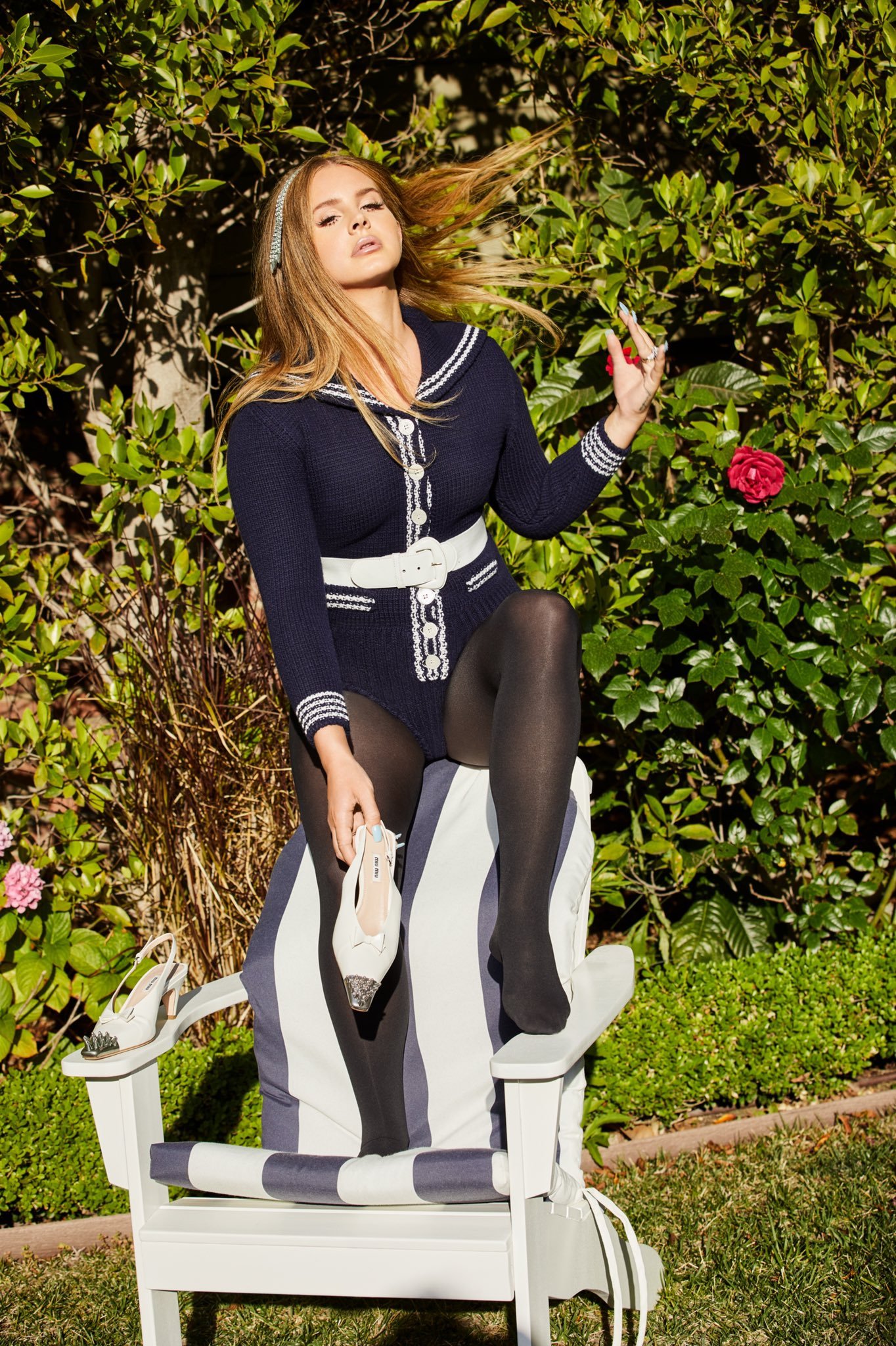


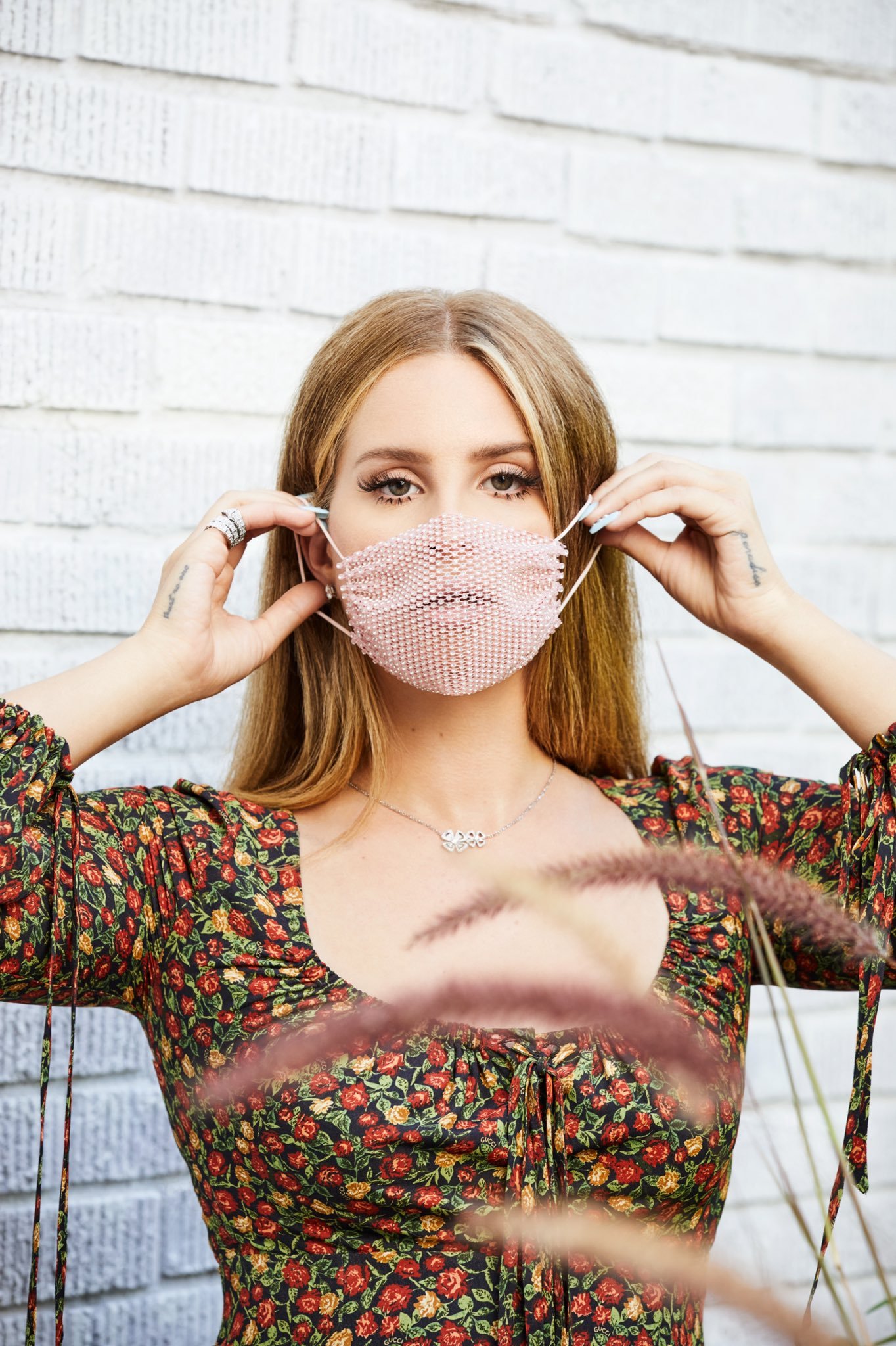



Iguana
Like beautiful robots dancing alone
She has a bit of an Ariana vibe going on in those!

Tisch
DO IT FOR HER
POP!
Dress you up
- Joined
- Nov 27, 2007
- Messages
- 50,703
“Crazy? Me? No.” To accompany her September 2020 Interview cover, and in anticipation of her seventh studio album “Chemtrails Over the Country Club,” Charlie Grant shoots an intimate home video of his six-time Grammy-nominated pop star sister Lana Del Rey.
Iguana
Like beautiful robots dancing alone
Holy shit, she really is having some kind of breakdown isn't she
Iguana
Like beautiful robots dancing alone
Or is she just high through the whole thing
Or both
Or both
Dark Carnival
Serving cunt
- Joined
- Feb 3, 2004
- Messages
- 82,796
This might be her BLACKOUT girlsHoly shit, she really is having some kind of breakdown isn't she

Tisch
DO IT FOR HER
Oh MY!This might be her BLACKOUT girls
x infinity
joanne
- Joined
- May 28, 2020
- Messages
- 1,249
my love for this whore just keeps GROWING. i am on my way to buying a typewriter. goodbye 2020 hello 1920. Geneva, who am i to love you. Geneva, i'm a dreamer, but i'm from nowhere, who am i to dream? Geneva, im upset, i have complaints, listen to me. they say I came from money and I didn't, and I didn't even have love, and it's unfair. Geneva, i sold my life rights for a big check and i'm upset and now i can't sleep at night and i don't know why plus, i love Mark, so why did i do that when i know it won't last? Geneva, i picked Zürich because the man who doesn't love me lives there. Geneva, i'm pathetic, but so are you, can i come home now? daughter to no one, table for one, party of thousands of people I don't know at Delilah where my ex-husband works. i'm sick of this, but can i come home now?
i just realized something. WHAT THE FUCK DROP THE WORKOUT ROUTINE QUEEN!
i just realized something. WHAT THE FUCK DROP THE WORKOUT ROUTINE QUEEN!
Iguana
Like beautiful robots dancing alone
So she announced an impromptu signing of her poetry thing and a whole crowd of people went down, all close together in a crowd and following her car down the road as she left (third clip below). Just brilliant, Lana.
Are Americans socially distancing at ALL?
Are Americans socially distancing at ALL?
Iguana
Like beautiful robots dancing alone
And her face mask looks a bit... sparce
Users who are viewing this thread
Total: 1 (members: 0, guests: 1)